FSSB Inspections Prove that Oversight in the Sector is Still Insufficient
Cases of food poisoning continue to rise in Armenia. According to data provided by the Food Safety Service Body (FSSB), 13 cases of food poisoning were recorded in 2024, while in 2025—from the beginning of the year until now—there have already been 14. These are cases registered in public catering establishments.
According to the FSSB, inspections carried out in the first half of the current year revealed violations in 226 out of 247 public catering establishments. These mainly relate to non-compliance with sanitary and hygienic requirements, incomplete maintenance of sanitary booklets, absence of necessary documentation, improper labeling, and the presence of expired products.
As a result of oversight, administrative liability measures are often applied, sometimes including the suspension of operations. In September, for instance, 12 citizens were poisoned at the “Armavir Garden” establishment, leading to the suspension of the facility’s operation.
Oversight is implemented using a risk-based approach: high-risk facilities are inspected more frequently, while in the case of low risk, inspections may be carried out even once every five years. According to the FSSB, 1010 inspections are planned for 2025, 716 of which will be at high-risk economic entities.
However, state control is only one side of the problem. Poisoning can also occur in home settings due to improper food storage and preparation.
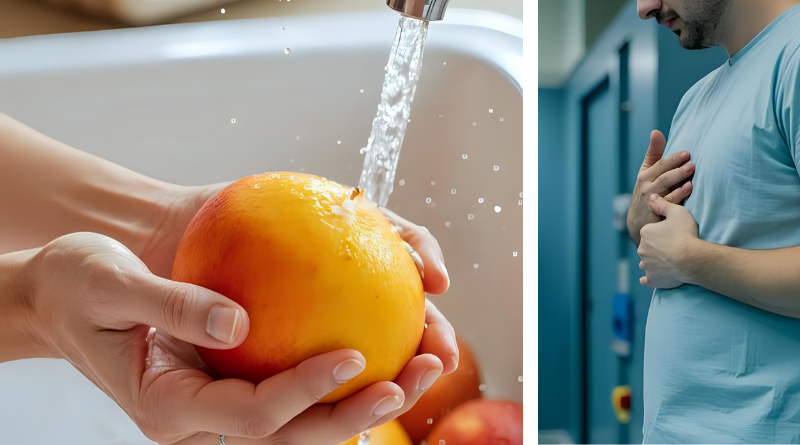
According to Anush Hakobyan, an infectious disease physician at the National Center for Infectious Diseases, food can quickly become contaminated and spoil, especially in hot weather: “Even when stored in the refrigerator, incorrect temperature or cross-contamination can cause problems. It is necessary to maintain hand hygiene, wash food products well, and avoid cutting different types of food on the same surface simultaneously.”
The main symptoms of poisoning can include nausea, vomiting, and abdominal pain. The first step in treatment, according to the physician, is sufficient fluid intake, particularly mineral water. “If fluid intake becomes impossible, it is necessary to seek inpatient medical assistance, where the body’s losses are replenished intravenously,” the doctor adds.
Although control mechanisms are improving year by year, experts emphasize that ensuring food safety requires not only state control but also public responsibility.