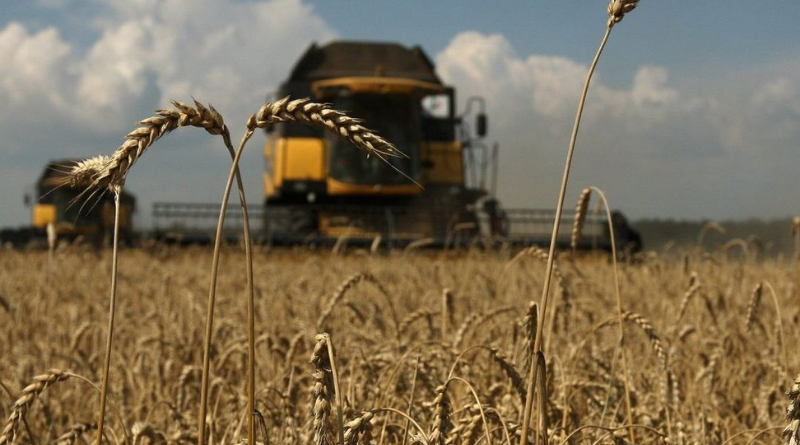
No Hazardous Substances Detected in Wheat Batches
The Food Safety Inspectorate Body (FSIB) reports that laboratory testing has been conducted on batches of wheat imported into Armenia from Russia and Kazakhstan within the framework of state control.
The examinations were carried out across three main directions: phytosanitary, safety, and quality indicators assessment, in accordance with the requirements for ensuring plant quarantine in the Eurasian Economic Union, the technical regulation “On the Safety of Grain,” as well as the requirements of the “Wheat: Technical Specifications” standard.
The results of the laboratory tests showed that no harmful organisms were found in the wheat batches. During the study, heavy metals, pesticides, mycotoxins, and radioactivity were investigated; no deviations from the maximum permissible norms were recorded. However, the study of quality indicators is still underway.
The Ministry of Economy had previously reported that the wheat imported from Russia is of high quality, while the wheat imported from Kazakhstan is of Class IV, intended for the production of compound feed (animal feed), meaning it is not used for bread production. This circumstance had caused some discontent, as a part of the public expressed concern about the possible use of low-quality grain.
It should be recalled that the Kazakh wheat arrived in Armenia on November 8. This is the first time in the last 35 years that wheat has been imported into Armenia by rail through the territory of Azerbaijan.