
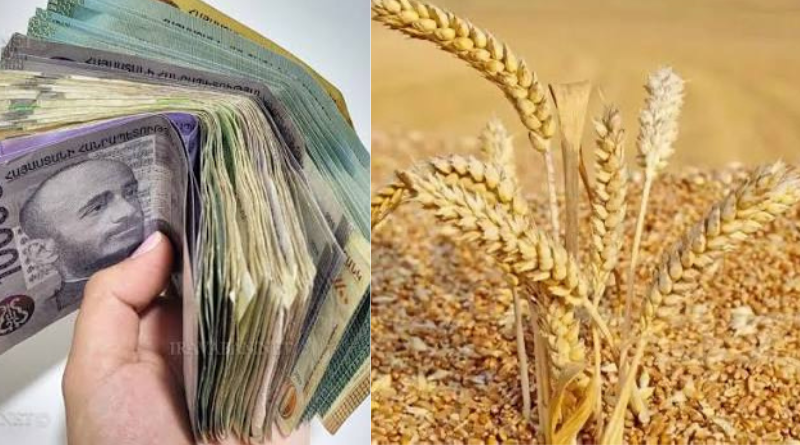
Despite Global Price Reduction, Prices for Staple Foods Remain High in Armenia
According to data from the UN Food and Agriculture Organization (FAO), global grain production and stocks are expected to reach a historic maximum in 2025. However, the prices of bread, bakery products, and dairy products in Armenia continue to remain at the same level.
According to the report published by the FAO, global food commodity prices generally decreased in October, driven by abundant supplies of cereals, meat, dairy products, and sugar. Cereal prices fell by an average of 1.3%, with wheat dropping by 1% and rice by 2.5%. Sugar prices experienced a decline of 5.3%, reaching their lowest level in the last five years.
Despite these trends, almost no such change is observed in Armenia. Today, the minimum price of bread remains at 150 drams, and the average price of sour cream is around 500 drams for 200 grams. The same situation persists in the bakery market, with the prices of buns, pasta, and flour remaining unchanged for months.
If wheat prices have fallen in the global market, the question arises: why is Armenia unable to import competitive, more affordable wheat from various markets, especially when there is a large surplus of grain stocks? The limited nature of import markets and the low level of local production may hinder the natural reduction of prices.
As a result, the situation where global prices are falling while bread and related food products in Armenia remain at the same value continues to raise questions among consumers as to whether the local market is artificially maintaining high prices.